
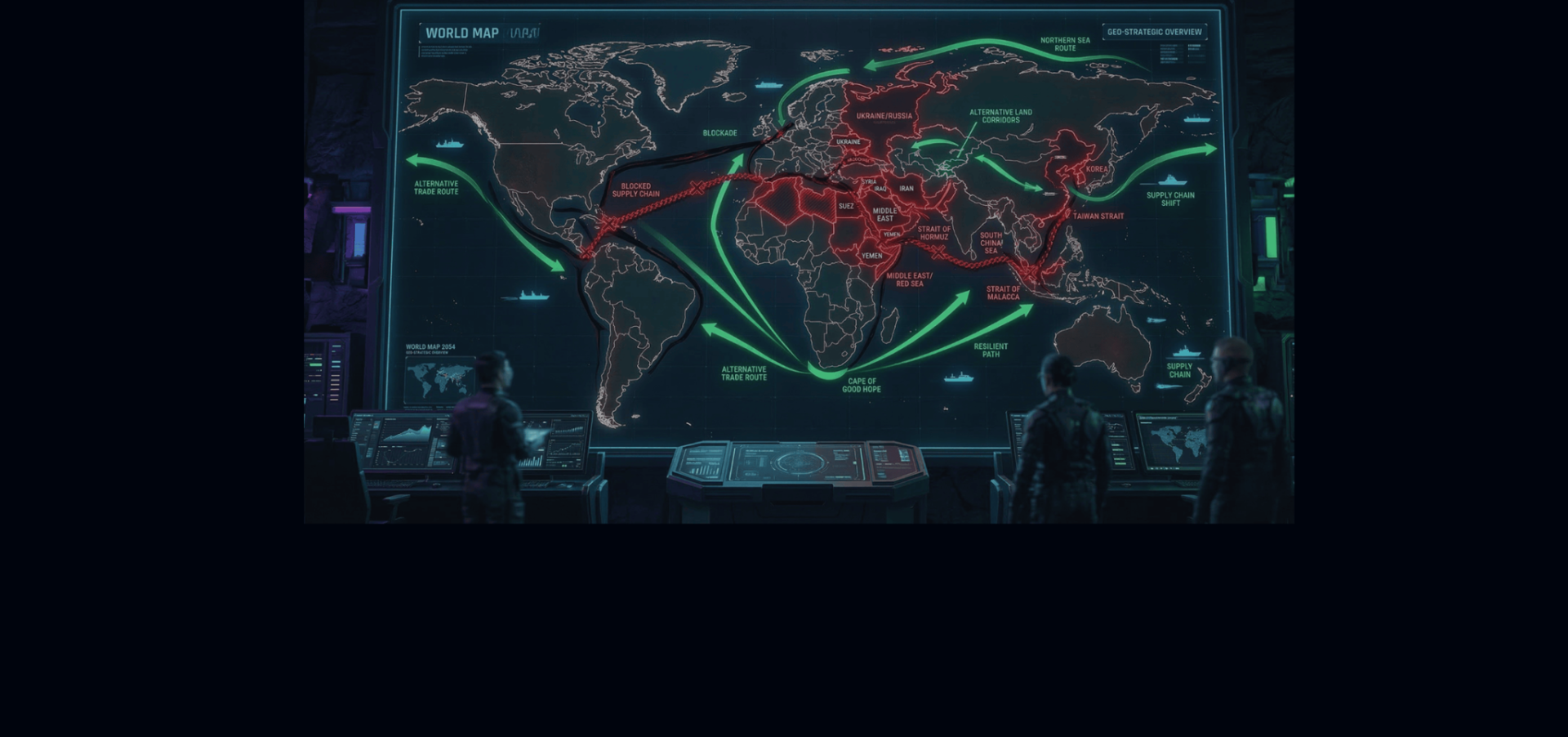
Geopolitical conflicts, from regional tensions in the Middle East to great power rivalries, fundamentally alter global supply chains by forcing rerouting, diversification, and risk mitigation. These events expose vulnerabilities in just-in-time models, driving up costs and delays while prompting a shift toward regionalization and nearshoring. Companies navigating these changes report 15-25% increases in logistics expenses alongside opportunities for strategic resilience through adaptive procurement practices.
Conflicts in critical chokepoints like the Red Sea and Strait of Hormuz have slashed shipping capacities, with vessel traffic dropping over 50% in affected areas due to Houthi attacks and retaliatory strikes. This forces carriers to detour around Africa, adding 10-14 days and up to $1 million in fuel costs per voyage for massive container ships. European and Asian importers face cascading delays, compressing order cycles and straining warehouse inventories already pressured by prior disruptions.
Ukraine-Russia hostilities continue to fragment grain, energy, and metal supplies, with Black Sea blockades redirecting flows through costly land corridors or alternative ports like Gdansk. Taiwan Strait tensions threaten semiconductor flows, where a single blockade could halt 90% of advanced chip production, rippling through electronics and automotive sectors globally. These hotspots compound into multi-front pressures, overwhelming traditional forecasting and elevating insurance premiums by 20-30%.
Geopolitical flare-ups inflate freight rates and commodity prices, as seen with Baltic Dry Index spikes exceeding 200% during peak Red Sea diversions. Surcharges for war risk zones transfer billions in extra costs to shippers, squeezing margins in import-dependent economies. Energy market volatility from sanctioned Russian oil pushes fuel prices higher, with logistics firms absorbing 10-15% hikes passed partially to consumers, fueling broader inflation.
Currency fluctuations tied to conflict outcomes destabilize procurement budgets, where sudden sanctions on key suppliers like Iranian petrochemicals force rushed alternatives at premiums. Small and medium enterprises suffer most, lacking scale to hedge risks, while multinationals accelerate dual-sourcing to mitigate single-point failures. These economic ripples demand agile pricing models and contract clauses for force majeure events.
Businesses respond by diversifying suppliers beyond China, with Vietnam, India, and Mexico gaining as manufacturing hubs under friend-shoring initiatives. US CHIPS Act investments totaling $52 billion aim to repatriate 20% of semiconductor capacity by 2030, reducing Asia dependency. European firms leverage Nearshoring to Eastern Europe and North Africa, cutting transit times by 40% versus transpacific routes amid ongoing uncertainties.
Technology enables visibility through blockchain-ledgered trade tracking and AI scenario planning, simulating conflict impacts on lead times. Regional trade blocs like the African Continental Free Trade Area and expanded GCC agreements foster intra-bloc resilience, shortening supply lines and buffering global shocks. Procurement teams prioritize supplier audits for geopolitical exposure, favoring those with multi-jurisdictional footprints.
Conflicts exacerbate inventory challenges, pushing safety stocks up 25-50% to buffer delays, tying up working capital amid volatile demand. Procurement shifts to multi-modal transport blends, combining air for high-value goods with rail-sea hybrids to bypass maritime risks. Just-in-time paradigms evolve into just-in-case hybrids, with AI optimizing buffer levels based on real-time threat intelligence from sources like Lloyd's List.
Sustainability goals clash with conflict-driven emissions from longer routes, prompting carbon accounting adjustments and green corridor investments. Trade compliance intensifies as sanctions proliferate, requiring automated screening for restricted entities across 190+ jurisdictions.
Middle East conflicts reshape local supply chains profoundly, with Gulf states accelerating economic diversification via Vision 2030 initiatives to reduce oil dependency. UAE and Saudi ports like Jebel Ali and Jeddah emerge as transshipment hubs, handling 20% more volume from rerouted vessels. Intra-GCC trade surges under unified customs, providing buffers against external shocks while Israel-Gulf normalization opens tech and agro corridors.
Procurement in the region faces talent shortages and regulatory harmonization challenges, yet leverages sovereign wealth to fund logistics megaprojects such as NEOM's supply chain ecosystem.
Geopolitical reshaping accelerates the adoption of digital twins for supply chain simulation, with digital twin platforms forecasting disruptions with 85% accuracy by integrating satellite imagery and news sentiment. Collaborative ecosystems emerge, with platforms like TradeLens enabling shared risk pools among shippers. Governments enact policies like the EU's Critical Raw Materials Act, securing 10% domestic extraction by 2030 to counter China dominance.
Saber Middle East provides expert consulting and training in procurement and supply chain solutions, helping organizations navigate geopolitical disruptions with tailored resilience strategies. Through in-depth risk assessments and scenario workshops, consultants identify exposure points across supplier networks and trade lanes, crafting diversification roadmaps that balance cost, speed, and security.
Training programs build internal capabilities in geopolitical intelligence analysis, contract risk clauses, and agile sourcing frameworks, empowering teams to pivot swiftly amid conflicts. Saber Middle East guides the integration of advanced tools for visibility and compliance, fostering supply chains that withstand shocks while capitalizing on emerging opportunities.
How Does Process Design and Training Build Supply Chain Resilience Amid Conflicts and AI Shifts?
How Does AI-Powered Scientific Inventory Modeling Drive Optimization?