
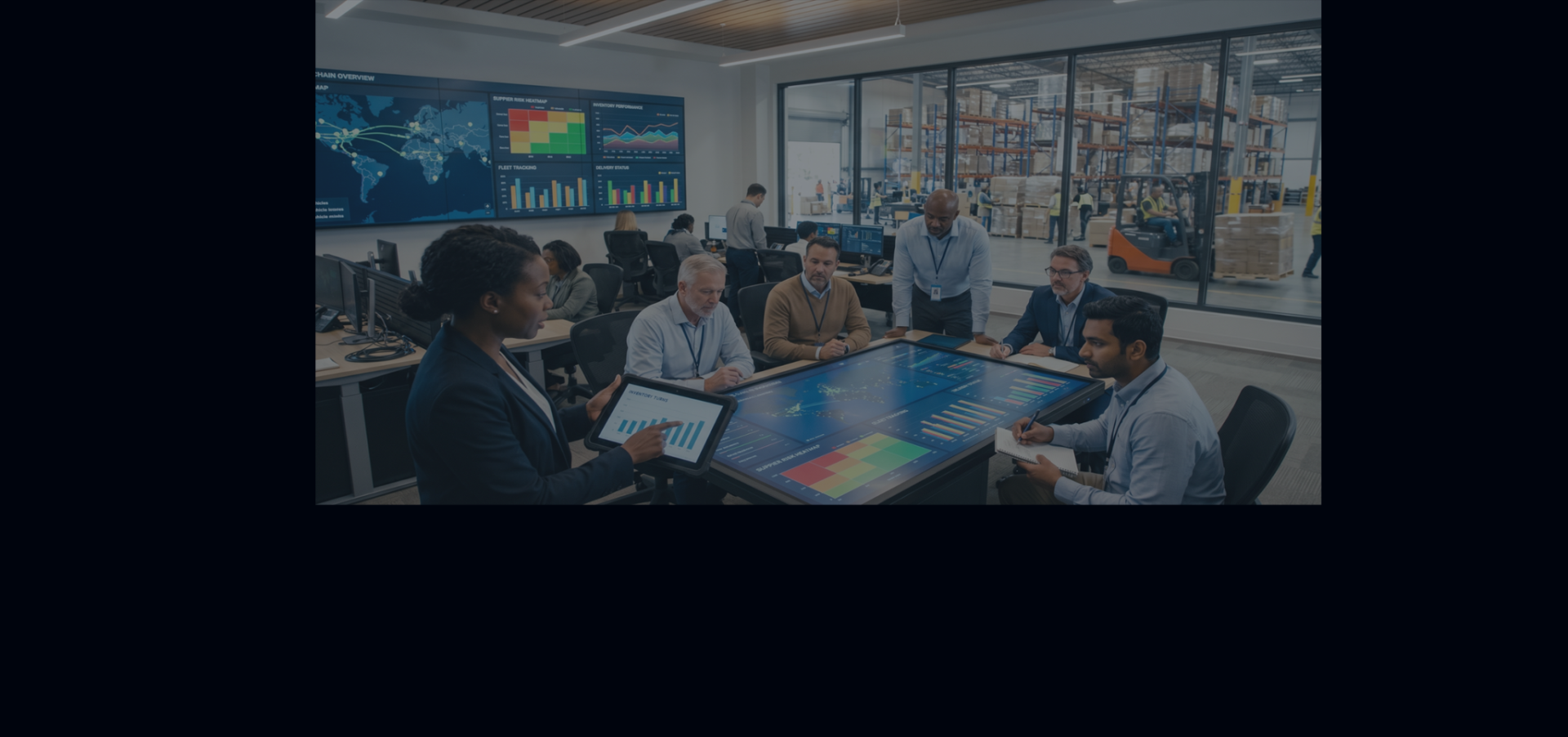
Complementary Strengths Drive Better Outcomes
AI excels at identifying patterns, detecting anomalies, optimizing variables, and continuously monitoring complex environments. Human leaders, however, bring contextual understanding, strategic judgment, ethical considerations, and the ability to manage relationships and navigate ambiguity.
Together, these complementary strengths create a more balanced and effective decision-making process. While AI can rapidly analyze vast datasets and indicate what is likely to happen, managers determine what should happen by considering broader business objectives, stakeholder interests, and long-term implications.
Building Trust Through Oversight
Organizations that rely entirely on opaque algorithms risk creating operational blind spots and resistance among employees. Human oversight remains essential to validate recommendations, challenge assumptions, and manage exceptions that algorithms may not anticipate.
Managers play a critical role in interpreting AI outputs within their commercial context, ensuring accountability for critical decisions and building organizational trust in the technology. This oversight transforms AI from a black-box solution into a trusted decision-support tool.
Accelerating Change Adoption
Technology initiatives often struggle not because of technical limitations, but because people find it difficult to adopt new ways of working. When managers actively participate in designing AI-enabled processes and receive targeted training, they are more likely to trust the insights generated and integrate them into their daily operations.
They also become better equipped to communicate changes across teams, suppliers, and partners, ultimately driving stronger organizational alignment and adoption.
AI in Action Across the Supply Chain
Procurement: Smarter Supplier Decisions
Supplier selection has become increasingly complex as organizations seek to balance cost efficiency, reliability, sustainability, and resilience. AI can support procurement teams by consolidating and analyzing supplier performance data, financial indicators, ESG metrics, delivery trends, and geopolitical developments to identify emerging risks and opportunities.
However, procurement leaders remain responsible for translating those insights into action. They evaluate relationship history, assess mitigation costs, negotiate contractual terms, and determine the most appropriate strategic response.
For example, an AI model may identify a rising risk score for a strategic supplier. Procurement teams can then investigate further and decide whether diversifying sources, renegotiating agreements, or strengthening contingency plans offers the best path forward.
AI provides the evidence. Managers provide the judgment.
Logistics: Faster Responses to Disruption
Transportation networks are becoming increasingly dynamic and unpredictable. AI helps logistics teams optimize routes, forecast capacity requirements, improve load planning, and monitor disruptions using real-time data such as weather conditions, traffic patterns, and resource availability.
Yet human expertise remains indispensable. Planners must weigh commercial priorities, regulatory constraints, customer commitments, and negotiation opportunities that may not be reflected in historical datasets.
During disruptions such as labor strikes or port closures, AI can quickly generate multiple response scenarios and estimate their operational impact. Managers then select and adapt those scenarios based on business priorities and practical realities.
Operations: Forecasting and Inventory Optimization
Forecast accuracy has a direct impact on working capital, service levels, and profitability. Advanced machine learning models can identify changing demand patterns, quantify uncertainty, simulate inventory scenarios, and evaluate cost-versus-service trade-offs with remarkable precision.
Operations managers transform these insights into actionable decisions by setting safety stock policies, adjusting production schedules, determining inventory positioning strategies, and defining service-level targets that align with business objectives.
AI recommends. Leaders decide.
Designing Effective Human-AI Workflows
Organizations seeking to capture value from AI must intentionally design collaborative processes rather than simply deploying new technologies.
Clear decision rights should be established to define which decisions are supported by AI recommendations, which require managerial approval, and which remain entirely human-led. Formal accountability frameworks help ensure consistency and transparency.
Equally important is making AI outputs understandable. Managers are more likely to trust recommendations presented as ranked alternatives, confidence intervals, scenario comparisons, and explanatory insights rather than unexplained scores.
Continuous feedback loops also play a crucial role. Capturing managerial actions and operational outcomes enables organizations to refine models over time and ensure recommendations evolve alongside changing business conditions. Learning should flow in both directions: AI informs managers, and managers continuously improve AI.
Organizations should also prioritize exception management. Routine cases can often be automated, while novel, high-impact, or ambiguous situations should be escalated to human experts. This allows leaders to focus their attention where experience and judgment generate the greatest value.
Finally, successful transformation requires investment in people. Teams need practical capabilities to interpret AI recommendations, challenge assumptions, validate outputs, integrate insights into negotiations, and coordinate responses across functions. Technology alone cannot drive sustainable change.
Governance, Ethics, and Resilience
As organizations expand the use of AI, robust governance becomes increasingly important.
Maintaining clear records of model inputs, recommendation histories, version changes, and human overrides strengthens auditability and supports compliance requirements. Organizations must also actively mitigate bias by ensuring that datasets reflect diverse suppliers, markets, and operating environments.
Scenario-based stress testing further strengthens resilience. Combining AI-driven simulations with managerial exercises allows organizations to identify operational vulnerabilities and prepare for extreme disruptions before they occur.
Measuring Success: The KPIs That Matter
The success of human-AI collaboration should be measured through both operational outcomes and organizational adoption.
Leaders should monitor improvements in decision quality through indicators such as forecast accuracy, reductions in stockouts, fewer expedited shipments, and the percentage of AI recommendations implemented.
Equally important are efficiency gains reflected in shorter decision cycles, faster responses to disruptions, and streamlined planning processes. Financial outcomes—including improved inventory turns, lower logistics costs, reduced working capital requirements, and enhanced supplier terms—provide clear evidence of business impact.
Organizations should also track adoption metrics such as training completion rates, participation levels, utilization of AI-enabled workflows, and the frequency of feedback loops to ensure that capabilities are embedded across the organization.
At Saber Middle East, we have seen that the organizations generating the greatest value from AI are not those pursuing full automation, but those designing decision-making models where technology and human expertise work together.
What Results Can Inventory Optimization Deliver for Your Business?
How Does Process Design and Training Build Supply Chain Resilience Amid Conflicts and AI Shifts?