
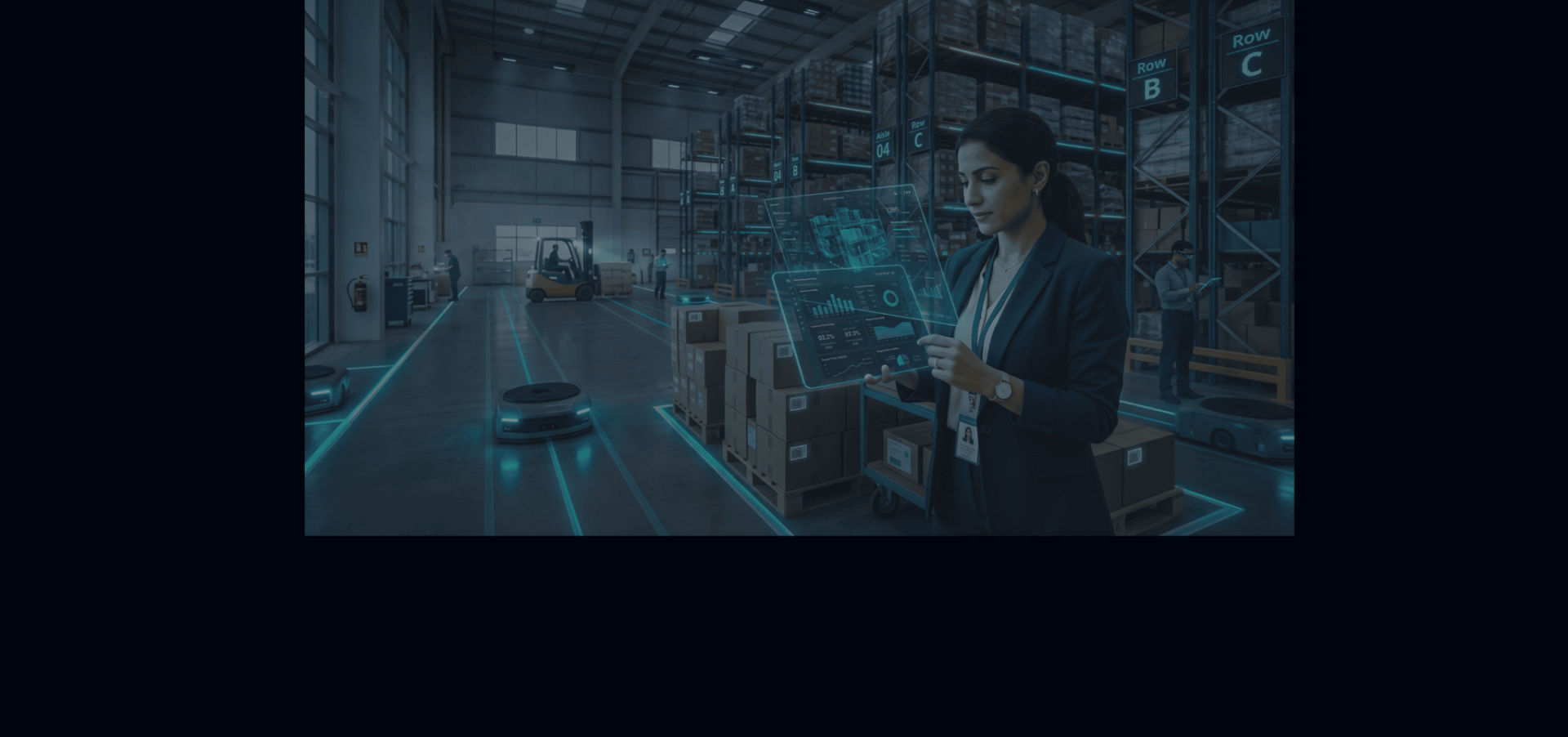
Holding more inventory does not always lead to better product availability. Many businesses carry excess stock while continuing to experience shortages of their most important products.
One of our clients in the distribution industry faced this exact challenge. Inventory levels were high, cash was tied up in slow-moving products, and stockouts were affecting customer service.
Following a structured inventory optimization initiative, the company achieved:
The client managed a wide portfolio of products with different demand patterns, supplier lead times, and commercial priorities.
Some products were held in quantities that exceeded actual demand, while high-demand products were frequently unavailable. This created several challenges:
The problem was not simply the total amount of inventory. The main issue was that stock was not properly aligned with demand and business priorities.
The initiative began with an assessment of the client’s inventory performance, demand patterns, replenishment parameters, and service requirements.
Product Segmentation
Products were classified based on factors such as:
This allowed the client to apply different inventory policies to different product categories rather than managing every SKU in the same way.
Safety-stock levels and reorder points were reviewed according to actual demand, lead-time variability, and required service levels.
Priority products received the appropriate level of protection, while excessive stock buffers were reduced for slower-moving and less critical items.
Better Planning Alignment
Inventory optimization also required stronger coordination between sales, procurement, supply chain, and finance.
The teams aligned on:
The Results
25% Less Inventory
The client reduced total inventory by 25% without applying the same reduction target to every product.
Instead, excess stock was identified at SKU level, and inventory policies were adjusted according to demand, risk, and commercial importance.
The reduction helped the company:
65% Fewer Stockouts
At the same time, stockouts decreased by 65%.
This demonstrates that reducing inventory does not necessarily mean reducing availability. The company held less stock overall but improved availability by carrying the right quantities of priority products.
The result included:
Lower inventory levels also shortened the time required to convert purchased stock into sales and cash.
This gave the client greater financial flexibility and reduced the amount of working capital tied up in products that were not moving quickly enough.
Improved product availability allowed the client to respond more reliably to customer demand.
Fewer stockouts meant fewer backorders, substitutions, and delayed orders. Customers received a more consistent service, while internal teams experienced less pressure from inventory-related issues.
Inventory optimization is not simply an inventory reduction exercise. Cutting stock without considering demand variability, supplier performance, and service requirements can lead to lost sales and customer dissatisfaction.
The objective is to balance:
The right inventory level is not necessarily the lowest possible level. It is the level that supports customer demand while avoiding unnecessary investment in stock.
If your company maintains high inventory levels yet still experiences frequent stockouts, the issue may stem from inventory policies, product segmentation, replenishment parameters, or planning alignment.
At Saber Middle East, we help organizations assess inventory performance, identify improvement opportunities, develop practical planning frameworks, and strengthen their teams’ inventory management capabilities.
Our supply chain consulting and training services help businesses improve product availability, working-capital efficiency, inventory visibility, and customer service.
Contact Saber Middle East to discuss how a tailored inventory optimization approach can support your organization’s operational and financial objectives.
AI in Procurement: Improving Inventory Efficiency Without Replacing Human Judgment
Would human-AI collaboration reshape supply chain decisions for the better?